

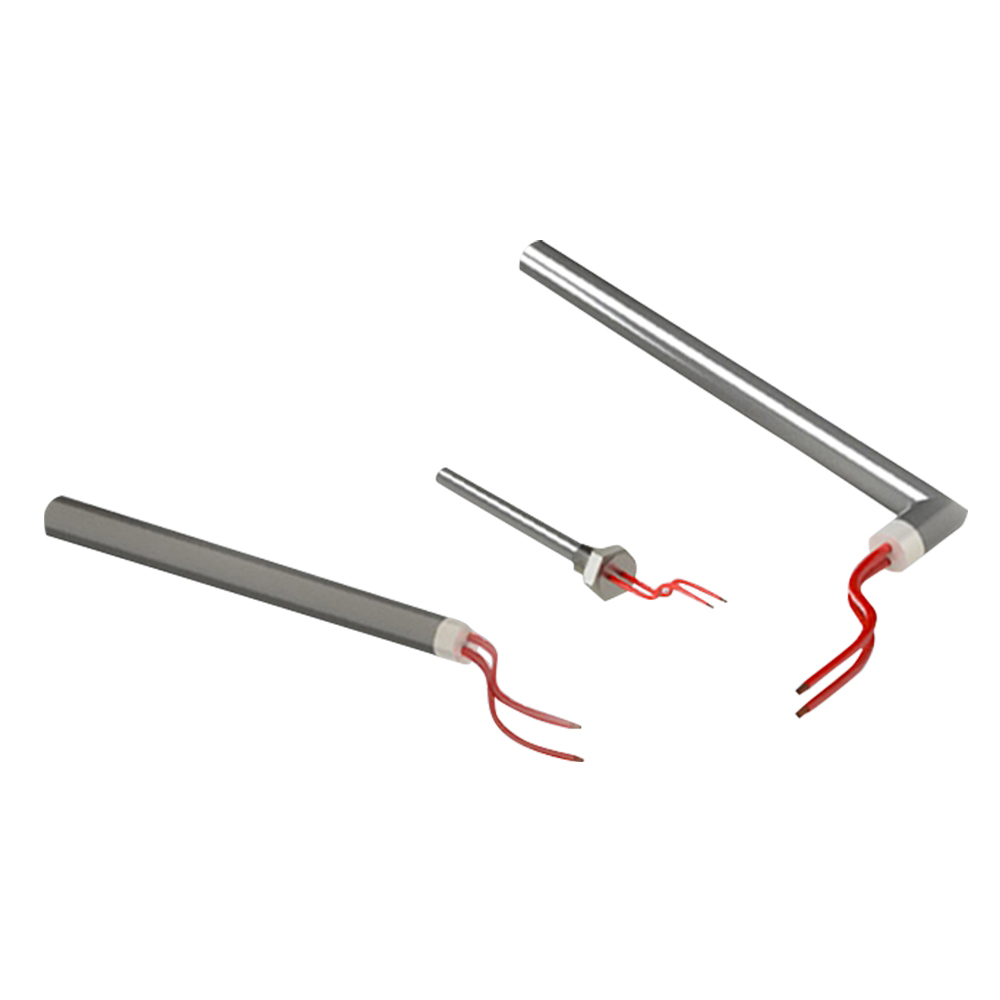
Is réiteach téimh versatile agus éifeachtach é an Téitheoir Tubular Aonair atá deartha le haghaid...
Déantóirí Eilimintí Téimh Leictreacha
-
-
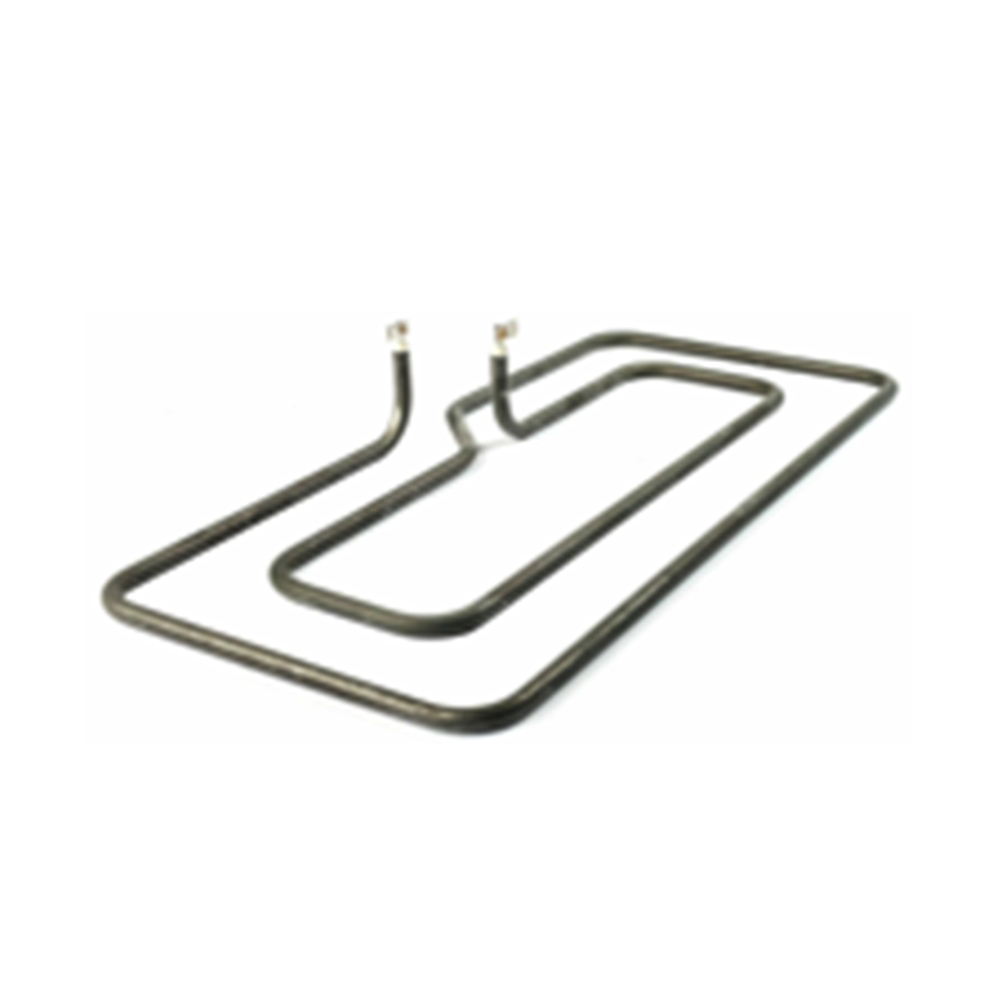 Téitheoir Feadáin Thionscail ar Dhleacht Trom
Is réiteach téimh buan agus ilúsáideach é Téitheoir Tubular Tionscail Dualgas Trom atá deartha le...
-
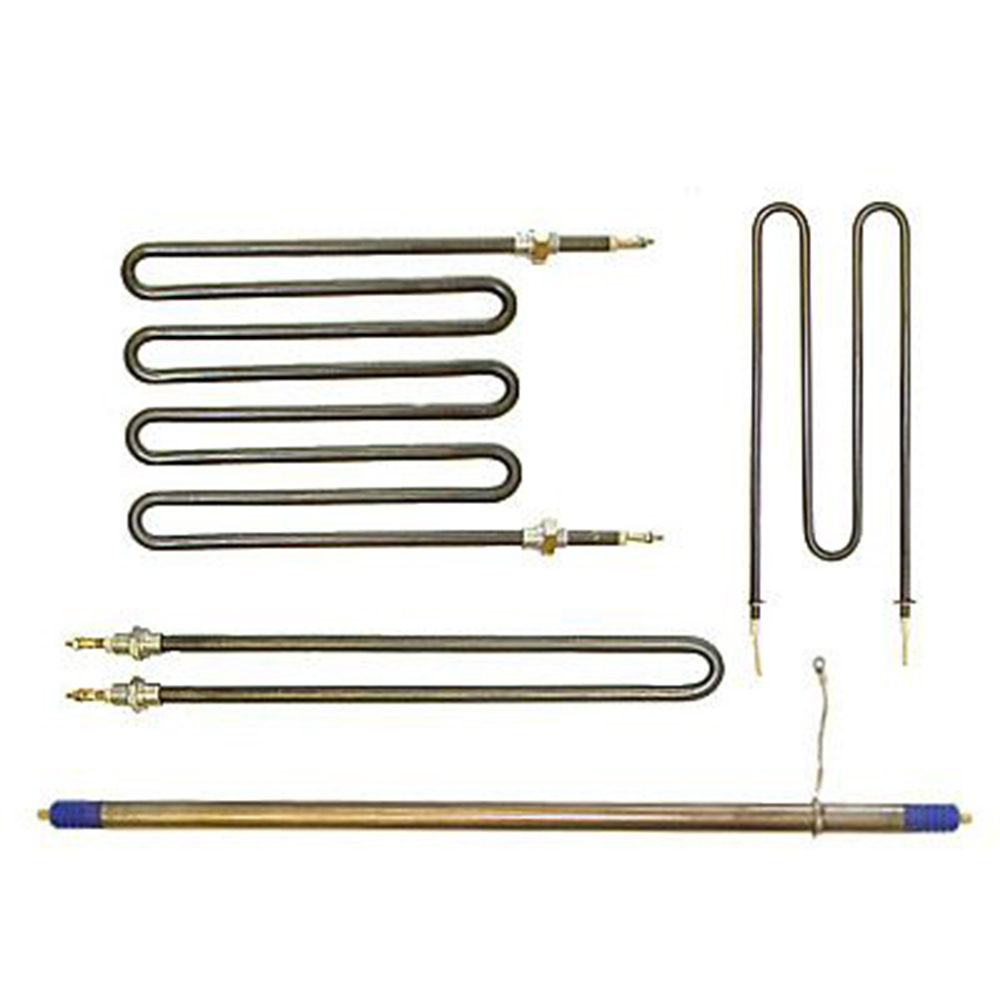 Téitheoir Leictreach Tionsclaíoch Ardteocht
Is réiteach láidir iontaofa é Téitheoir Leictreach Tionscail Ardteochta atá deartha le haghaidh f...
-
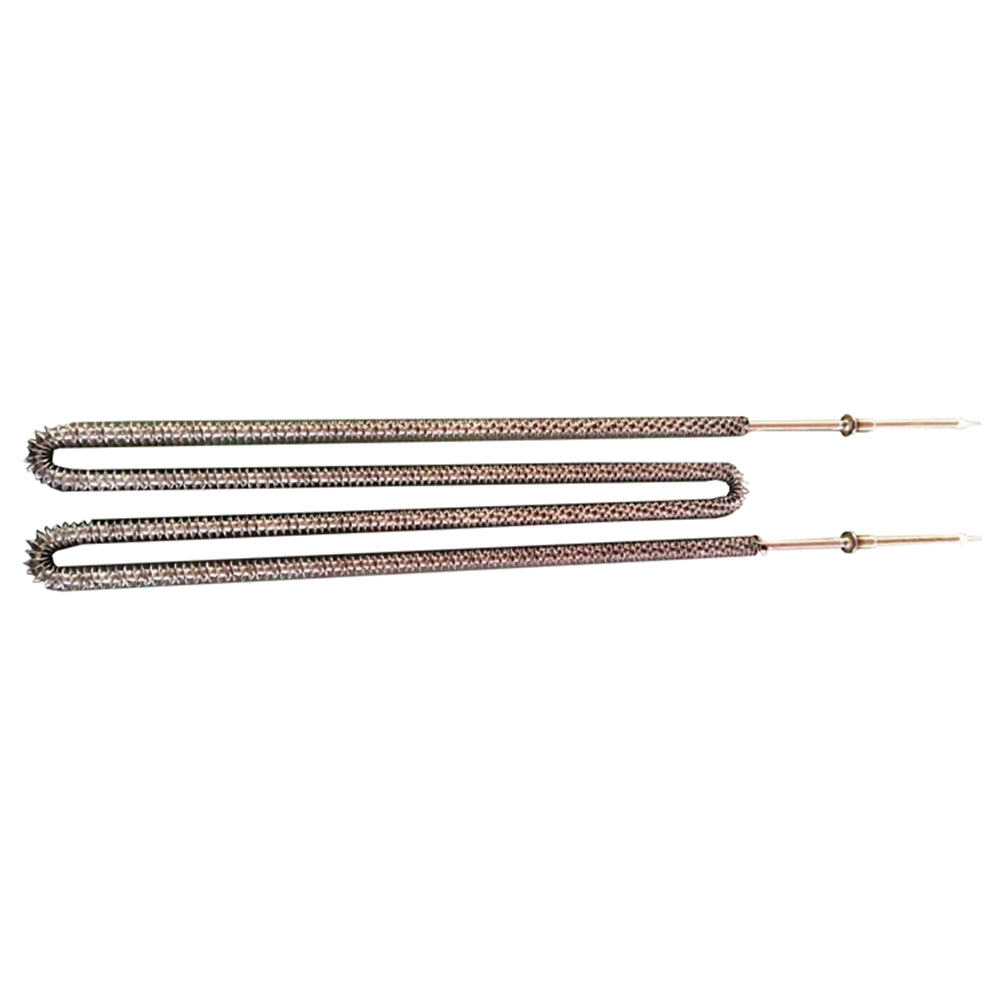 Téitheoir Tubular Ribeach Fadsaoil
Is réitigh téimh chun cinn iad Téitheoirí Tubular Ribbed atá deartha chun sárfheidhmíocht a dhéan...
-
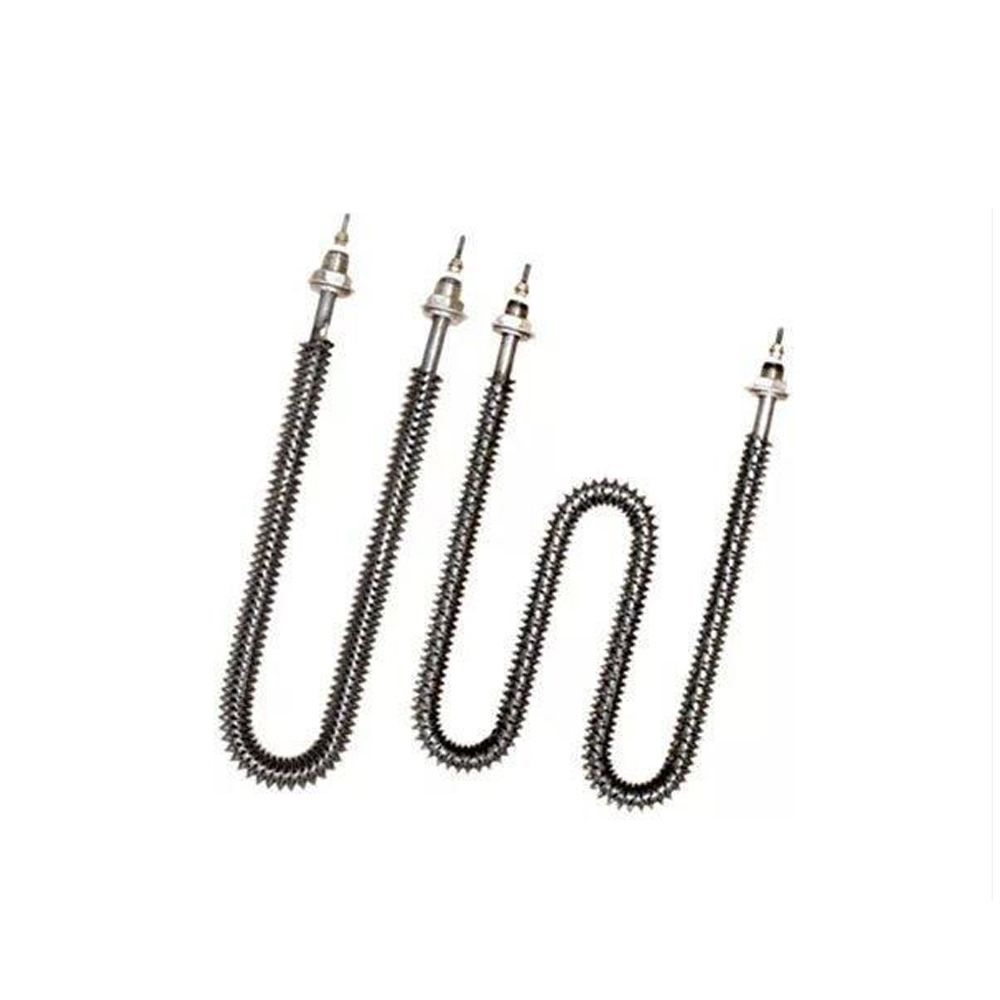 Eilimint Téimh Tubular Ribbed le Eití Cruach Leictrighalbhánuithe
Is réiteach téimh thar a bheith versatile agus marthanach é Eilimint Téamh Feadáin Ribeach Sainch...
Heating elements are the core components of industrial and commercial heating systems, designed to convert electrical energy into heat efficiently and reliably. These elements are widely used in applications such as process heating, HVAC systems, water heating, and industrial equipment, providing precise and consistent temperature control.
Constructed from high-performance materials like nickel-chromium alloys, stainless steel, or ceramic, heating elements are engineered to withstand temperatures, high watt densities, and challenging environments. They are available in various forms, including tubular, cartridge, strip, and flexible designs, to suit diverse application requirements.
Modern heating elements often incorporate advanced features like rapid heating capabilities, uniform heat distribution, and integrated temperature sensors, ensuring performance and energy efficiency. Whether for industrial processes, residential appliances, or specialized equipment, heating elements deliver durable and customizable solutions for effective thermal management.
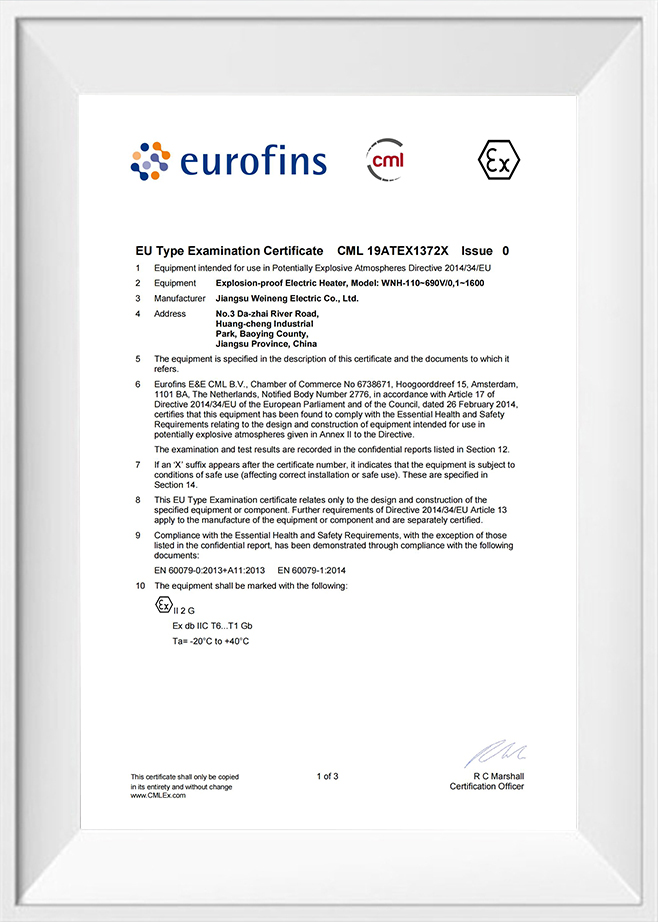
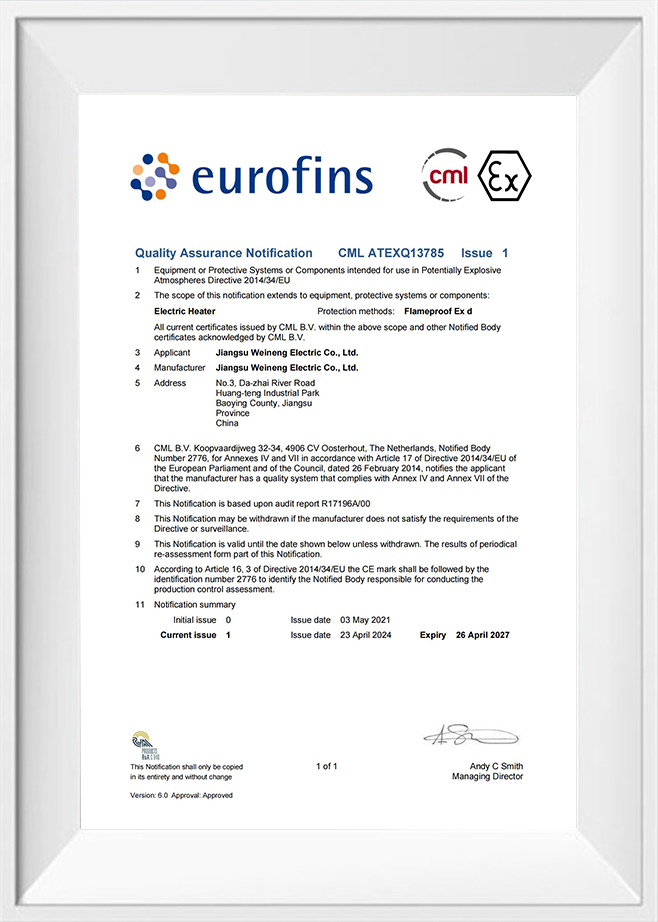
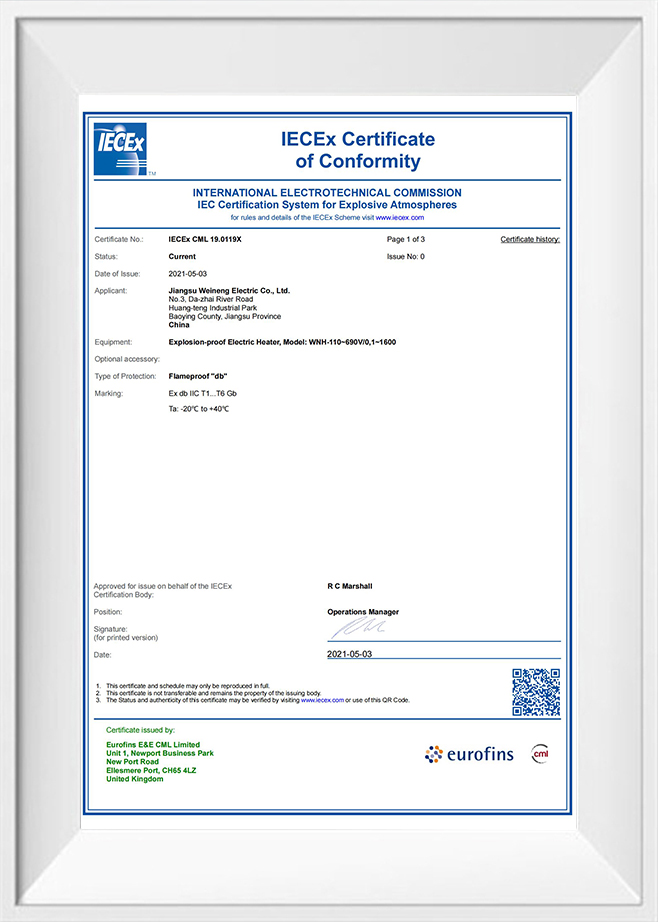
Deimhniú
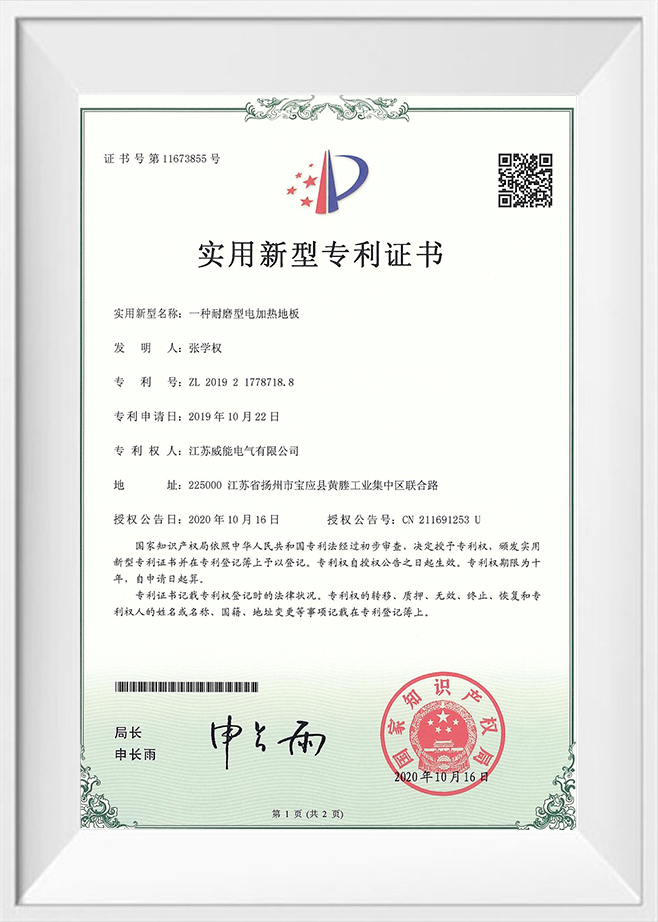
Bunaíodh Jiangsu Weineng Electric Co., Ltd ar 23 Aibreán 2009, is monaróir gairmiúil é a bhíonn ag gabháil do thaighde, forbairt, táirgeadh, díolachán agus seirbhís Téitheoirí Leictreacha, Cábla Rianaithe Teasa Leictreach agus córas Rialaithe don tionscal.
FÚINN
Jiangsu Weineng Electric Co.,Ltd
Bunaíodh Jiangsu Weineng Electric Co.,Ltd ar 23 Aibreán 2009, is monaróir gairmiúil é a bhíonn ag gabháil do thaighde, forbairt, táirgeadh, díolachán agus seirbhís Téitheoirí Leictreacha, Cábla Rianaithe Teasa Leictreach agus córas Rialaithe don tionscal.
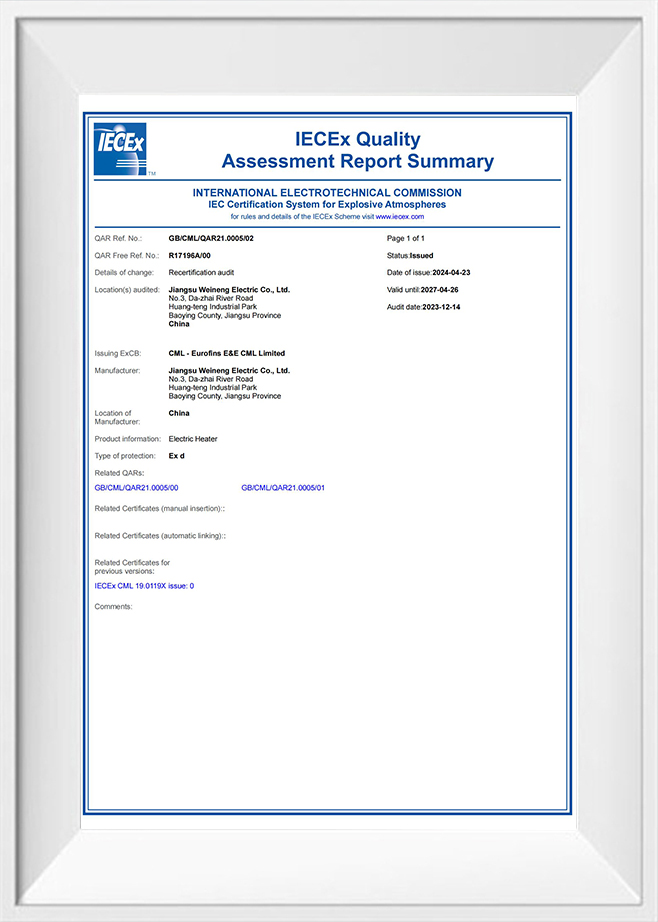
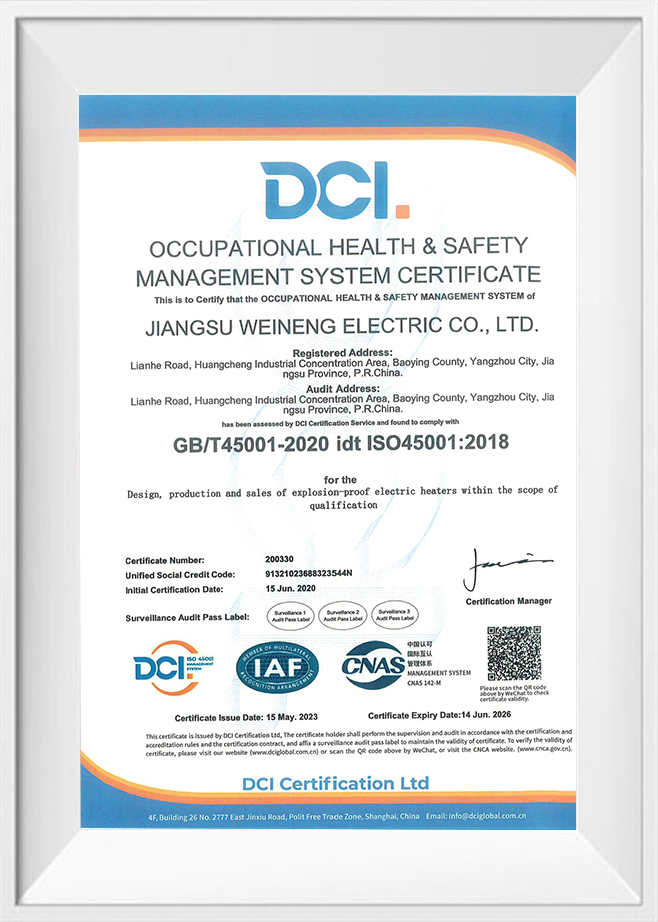
Mar An tSín Déantóirí Téitheoirí Feadánacha agus Monarcha Téitheoir Feadánach, Táimid lonnaithe i gContae Baoying, Cúige Jiangsu le rochtain áisiúil iompair. Tiomanta do rialú cáilíochta dian agus seirbhís chustaiméara mhachnamhach, bíonn ár bhfoireann taithí ar fáil i gcónaí chun do riachtanais a phlé agus sásamh iomlán an chustaiméara a chinntiú. Le blianta beaga anuas, thug ár gcuideachta isteach sraith trealaimh chun cinn lena n-áirítear meaisín líonadh cumhachta, caidéal tástála brú leictreach, deil tomhais, meaisín táthú pointe LCD, caibinéad triomúcháin, meaisín glantacháin, meaisín gaineamhghlanadh tirim, píobaire uathoibríoch, ilmhéadar digiteach, méadar friotaíochta inslithe, tástálaí frithsheasmhachta voltais. Leanann ár gcuideachta le nuálaíocht theicneolaíoch, tá 3 ollamh innealtóireachta againn agus dosaen innealtóir óg le taithí fhairsing chun foireann innealtóireachta gairmiúil a eagrú. Comhoibrímid le hollscoileanna agus acadaimh chun táirge nua a thaighde agus a fhorbairt. Ina theannta sin, tá deimhnithe IEcEx, Attex, ISO faighte againn. Ag díol go maith i ngach cathair agus cúige ar fud na Síne, cuirimid Téitheoir Feadánach Saincheaptha. onnmhairítear ár dtáirgí freisin chuig cliaint i dtíortha agus réigiúin mar an Meánoirthear, Oirdheisceart na hÁise, Meiriceá agus an Eoraip. Fáiltímid roimh orduithe OEM agus ODM freisin. Cibé an roghnaíonn tú táirge reatha ónár gcatalóg nó an lorgaíonn tú cúnamh innealtóireachta d'iarratas, is féidir leat labhairt lenár n-ionad seirbhíse custaiméara faoi do riachtanais fhoinsithe.Aiseolas Teachtaireachta
Nuacht le Déanaí
Foghlaim faoinár bhfaisnéis taispeántais tionscail agus imeachtaí le déanaí inár gcuideachta.
-
Deimhniú ATEX vs IECEx: Príomhdhifríochtaí do Cheannaitheoirí atá Cruthúnas ar Phléasc
Tá tú i do sheasamh os comhair bileog sonraíochta le haghaidh tumthéitheoir leictreach a rachaidh isteach in umar ina bhfuil tuaslagóir inadhain...14 -
ATEX vs IECEx: Príomhdhifríochtaí agus Conas Trealamh Deimhnithe a Roghnú do Limistéir Guaiseacha
When you specify an electric heater for a volatile process stream, the first technical question that usually comes up is whether it must have AT...09 -
ATEX Certification Meaning: What It Means for Industrial Heating Equipment
Tá tú i do sheasamh i ngléasra ceimiceach, ag athbhreithniú tumthéitheoir athsholáthair do shoitheach próisis. Taispeánann an t-ainmchlár an mar...01 -
Rianú Teas Leictreach: Cineálacha Cáblaí, Feidhmchláir, agus Treoir Roghnúcháin do Phíopaí agus Umair
Nuair a chailleann gléasra próisis teas ar feadh rith píopa, is annamh a bhíonn teip tobann mar thoradh air. Is fadhb í de réir a chéile: bíonn ...24 -
Mínithe Cábla Méideanna Faireog: Cairteacha Méadracha & PG, Leideanna Tomhais, agus Treoir Roghnúcháin
Conas a Oibríonn Cábla Sizing Gland I ndáiríre D'ordaigh innealtóir gland M25 do chábla ceithre chroílár 10 mm², ach amháin chun a fh...17
Eilimintí téimh Eolas Tionscail
Understanding Heating Element Materials: How Composition Impacts Efficiency and Application Suitability
When it comes to the performance and reliability of any electric heating element, the choice of material is far from a trivial decision—it forms the backbone of how well the component will function under specific operational conditions. Whether it’s a tubular heater used in heavy-duty industrial machinery or a compact strip heater integrated into a home appliance, the internal structure and elemental composition are decisive factors in ensuring long-term thermal efficiency and mechanical durability.
The most commonly used materials in heating element manufacturing are nickel-chromium alloys, stainless steel, and ceramics. Nickel-chromium, often referred to as nichrome, offers excellent resistance to oxidation and maintains stable electrical resistance even at elevated temperatures. This makes it an ideal core for many electric heating elements, especially where uniform and high-temperature heating is required over extended periods. Meanwhile, stainless steel variants provide corrosion resistance and mechanical strength, making them suitable for humid environments or applications where exposure to chemicals is a concern.
Ceramic materials, although more fragile, serve an important role in certain specialized configurations, particularly where electrical insulation is critical or where radiant heating is preferred. Their insulating properties help prevent energy losses and support higher thermal efficiencies in compact designs. Advanced ceramics also allow for higher watt densities without compromising safety, which is crucial for modern systems that demand compactness without performance loss. These materials often appear in cartridge and infrared heating elements tailored for precise thermal control.
The selection process doesn’t end with just choosing between nichrome and stainless steel. Different grades and alloying elements can significantly impact performance characteristics such as maximum operating temperature, flexibility, resistance to thermal cycling, and even weight. For example, in high-vibration industrial environments, certain grades of stainless steel can reduce mechanical fatigue over time, preventing premature failure. Similarly, nickel-rich alloys offer better creep resistance, crucial in continuous-use applications like ovens, plastic processing, or chemical reactors.
A well-designed tubular heater, for instance, relies not only on its shape or structure but on the specific interaction between its sheathing material and the internal heating wire. This synergy determines how evenly heat is transferred and how efficiently the system can reach and maintain target temperatures. Materials with poor thermal conductivity or mismatched expansion rates can introduce hot spots or stress points, leading to reduced efficiency and potential safety risks. For customers seeking performance, longevity, and reduced downtime, understanding these material dynamics is an investment in smarter sourcing.
From a manufacturer’s perspective, material choice is also closely tied to regulatory compliance and customization potential. Applications in the food, medical, and aerospace sectors, for instance, require materials that meet strict hygiene or safety standards. As a result, we not only test our heating elements for operational reliability but also ensure our materials meet global compliance requirements. This blend of precision engineering and high-quality materials is what sets apart a dependable electric heating element from a short-lived or underperforming one.
The material composition of a heating element isn't just a technical detail—it's a critical factor that defines its performance, safety, and application range. Whether you're designing a new product or sourcing for an existing system, partnering with a knowledgeable supplier who understands material science can make all the difference. With over a decade of experience in manufacturing and customizing tubular heaters and other industrial heating solutions, we help businesses find the right material match for their specific thermal challenges.
Cóipcheart © Jiangsu Weineng Electric Co.,Ltd. Gach Ceart Ar Cosaint.
Monarcha Eilimint Téimh Leictreach OEM/ODM
